
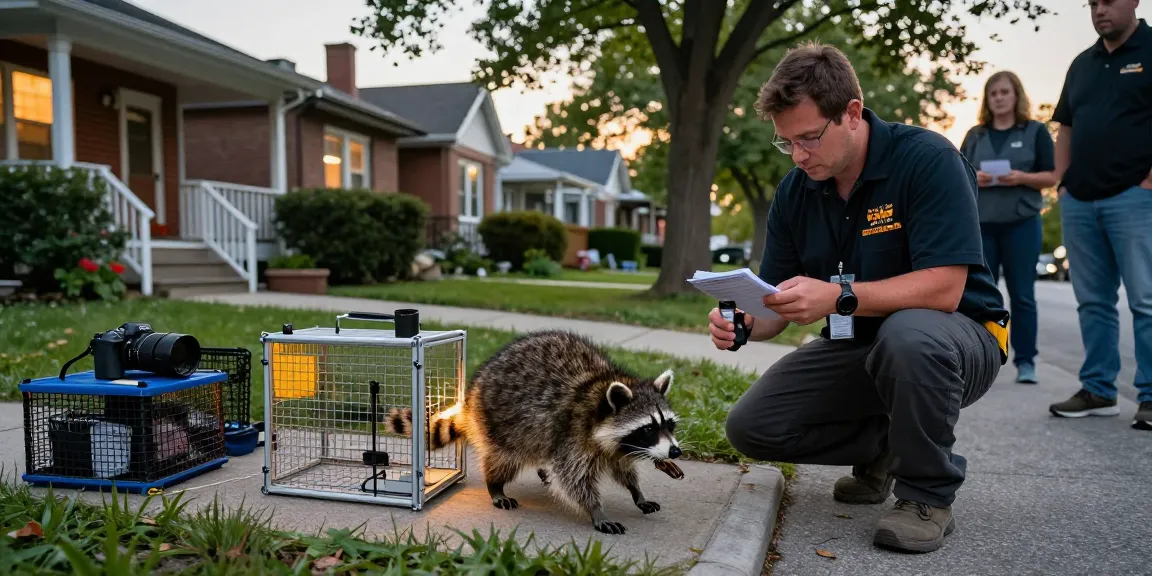
Understanding Urban Raccoon Behavior
Raccoons are increasingly becoming a common sight in urban areas, especially in cities like Toronto. Their adaptability to city life and omnivorous diet make them well-suited to thrive in suburban environments where food sources and shelter are plentiful. Understanding raccoon behavior can help homeowners safeguard their properties against these curious creatures. When exploring options for safe and effective removal, Raccoon Removal Toronto provides comprehensive insights to assist in effective pest management.
Why Raccoons Are Attracted to Urban Areas?
Urban areas provide raccoons with numerous advantages, including access to discarded food and safe nesting spots. These animals are typically nocturnal, which allows them to forage at night when human activities are at a low. Common attractions include:
- Garbage cans and compost bins filled with food scraps.
- Outdoor pet food bowls, bird feeders, and fruit trees.
- Warm shelters such as attics, basements, and garages.
- Abundant water sources from sewers, puddles, or fountains.
Signs of Raccoon Infestation in Your Property
Identifying a raccoon infestation early can prevent significant property damage. Here are some signs to watch for:
- Visible paw prints or feces around your property.
- Noise in the attic or roof, often described as scraping or scurrying sounds.
- Damaged trash cans or ripped bags with food remnants strewn about.
- Footprints leading to potential entry points like chimneys or vents.
Behavioral Patterns of Raccoons in Toronto
In Toronto, raccoons display specific behavioral patterns that can inform removal strategies. They are highly intelligent and possess strong problem-solving abilities, allowing them to navigate complicated barriers to find food. Moreover, raccoons may adopt communal living during certain seasons, increasing the chances of encountering multiple animals at once. It's crucial for homeowners to remain vigilant about maintaining their property and seeking professional help if needed.
Cost Breakdown of Raccoon Removal in Toronto
The cost of raccoon removal can vary widely based on various factors, such as the extent of the infestation and the methods employed for removal. Understanding the financial aspects can help homeowners budget and prepare for potential expenses associated with wildlife control.
Average Costs for Professional Raccoon Removal Services
On average, professional raccoon removal services in Toronto can range from $300 to $1,000. This cost typically encompasses inspections, trapping, removal, and even exclusion work to prevent future infestations. The price may increase if the raccoons are located in hard-to-reach areas or if additional repairs are necessary.
Factors Influencing Raccoon Removal Pricing
Several factors can influence the overall cost of raccoon removal services. These include:
- The severity of the infestation—more raccoons typically lead to higher costs.
- The location and accessibility of raccoons (e.g., attics vs. backyards).
- Repair or exclusion work required after removal.
- The company’s experience and the methods they use.
DIY vs. Professional Costs: What You Should Know
Some homeowners consider DIY approaches for raccoon removal to save costs. However, while DIY methods may initially seem cheaper, they can result in higher expenses down the line due to potential injury or further infestations. Professional services ensure a thorough, safe, and effective removal process, often saving homeowners money and stress in the long run.
Effective Raccoon Removal Strategies
Successfully managing raccoon populations involves a combination of humane trapping techniques, preventive measures, and collaboration with authorities. Implementing the right strategies can minimize future conflicts with these animals.
Humane Trapping Techniques and Best Practices
Humane trapping is the most effective method for removing raccoons without causing harm. Best practices include:
- Using bait that is attractive to raccoons, such as marshmallows or cat food.
- Positioning traps in areas of known activity, such as near food sources or entry points.
- Checking traps regularly to minimize stress on trapped animals.
- Contacting professionals to handle removal and relocation to ensure compliance with local regulations.
Preventative Measures to Avoid Future Infestations
Preventing a raccoon infestation starts with proactive measures. Here are effective strategies:
- Securing garbage cans with tight-fitting lids and using raccoon-proof containers.
- Removing pet food from outdoor spaces and cleaning up food remnants.
- Sealing entry points, such as vents and holes in roofs and basements.
- Installing fencing or barriers to deter raccoons from gardens or yards.
Collaboration with Local Wildlife Authorities
Working with local wildlife control authorities can provide additional resources and expertise. These organizations can assist in appropriate removal procedures, habitat management, and offer advice on preventing future encounters.
Legal Regulations Surrounding Raccoon Removal
Understanding the legal context of wildlife removal is essential for compliance and ethical treatment of raccoons.
Understanding Wildlife Protection Laws in Toronto
Raccoons are protected under various wildlife protection laws in Ontario, which dictate humane treatment and proper removal practices. It’s critical for property owners to familiarize themselves with these regulations to avoid legal repercussions and ensure ethical practices.
Permits Required for Raccoon Removal
In Toronto, specific permits may be required for raccoon removal, particularly when it involves trapping and relocating animals. Homeowners should consult local wildlife agencies to understand the necessary permits and ensure compliance.
Best Practices for Compliance with Regulations
To comply with wildlife protection laws, homeowners should:
- Engage licensed professionals for removal services.
- Document the process, including the condition of the animal and the method of removal.
- Stay updated on local regulations as laws can change.
Future Trends in Wildlife Control and Raccoon Management
The management of raccoon populations is evolving, with new trends emerging in wildlife control that focus on sustainability and community involvement.
Innovations in Wildlife Management for 2026
Advancements in technology, such as infrared cameras and automated traps, are becoming more common in wildlife management. These innovations allow for more efficient tracking and humane removal of raccoons, showcasing a shift towards more ethical treatment of wildlife.
Community Programs Promoting Responsible Raccoon Management
Community initiatives are increasingly promoting responsible wildlife management through education and collaboration. Programs that encourage recycling and proper waste management can significantly reduce food sources for raccoons, helping to keep populations in check.
Impact of Urban Development on Raccoon Populations
As cities continue to expand, urban development poses challenges to wildlife management. Increased construction often leads to habitat displacement, prompting raccoons to seek shelter in residential areas. It’s essential for urban planners and communities to consider wildlife-friendly designs and policies to mitigate these impacts.
What are the signs of a raccoon infestation?
Signs of raccoon infestation include visible droppings, noise in attics, damaged trash, and paw prints. Homeowners should remain vigilant for these indications to address potential issues promptly.
How much does raccoon removal typically cost in Toronto?
The cost of raccoon removal in Toronto typically ranges from $300 to $1,000, influenced by factors such as the severity of the infestation and necessary repairs.
Can I remove raccoons myself?
While some may attempt DIY removal, it is generally not recommended due to safety and legal concerns. Professional services ensure humane handling and compliance with laws.
What should I do after a raccoon is removed?
After removal, it’s vital to fortify your property against re-entry, clean up any mess left behind, and monitor for future signs of raccoon activity.
Are raccoons dangerous to humans or pets?
Raccoons can pose risks to humans and pets, primarily through the potential transmission of diseases such as rabies. It’s essential to maintain a safe distance and seek professional help for removal.